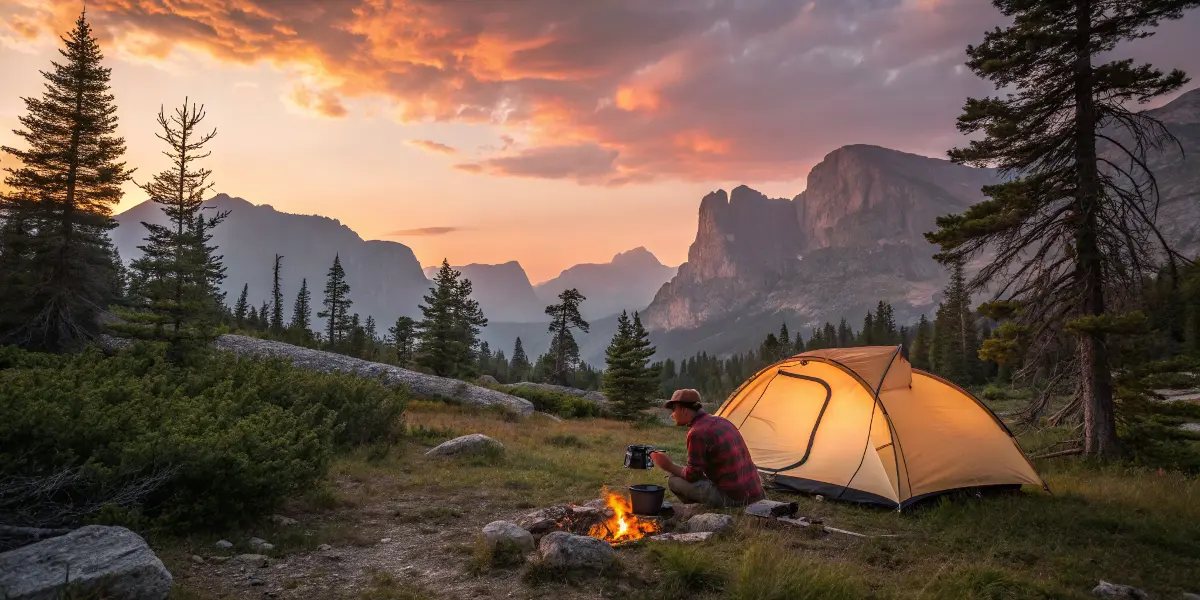
There’s something magical about cooking and enjoying a warm meal after a long day on the trail. Whether you’re setting up camp under the stars or savoring a sunset by the fire, the right meal isn’t just fuel—it’s comfort, nourishment, and motivation wrapped in one. But let’s face it, packing tasty yet lightweight meals can be tricky. That’s why we’ve put together a list of the best backpacking dinner recipes designed to make your adventure both delicious and convenient.
In this guide, you’ll find everything from hearty one-pot meals to gourmet options, vegan alternatives, and lightweight dehydrated dinners. No matter your taste or dietary needs, these best backpacking dinner recipes will give you the energy to tackle the trail ahead while satisfying your cravings. Ready to cook up some magic in the wilderness? Let’s dive in.
Table of Contents
Introduction to Backpacking Meals
When you’re out on the trail, the meals you carry are much more than food—they’re your source of strength, warmth, and comfort. But planning meals for backpacking involves more than just grabbing snacks. You need meals that are lightweight, nutritious, easy to cook, and above all, delicious.
The best backpacking dinner recipes deliver a combination of essential nutrients and flavors while being easy to carry. Meals like protein-packed lentil stews, instant rice bowls, and pasta dishes provide exactly what your body craves after a long day.
The Importance of Nutritious Dinners When Backpacking
Picture this: after hours of hiking, your legs feel heavy, your stomach growls, and you’re dreaming of a hot, satisfying meal. That’s where dinner comes in. A well-planned dinner can help replenish energy, repair muscles, and lift your mood—making it an essential part of your backpacking experience. Meals packed with protein, complex carbs, and healthy fats are crucial to helping you recover and prepare for the next day’s challenges. The best backpacking dinner recipes provide all of this while being easy to carry.
What Makes the Best Backpacking Dinner Recipes Stand Out?
Not all backpacking meals are created equal. The best backpacking dinner recipes strike a balance between taste, nutrition, and convenience. They’re easy to carry, quick to cook, and packed with ingredients that won’t weigh you down. Lightweight pasta dishes, instant rice bowls, dehydrated veggie stews, and even cold-soak meals all have their place in a well-prepared backpacker’s diet.
For more lightweight and healthy recipes, you can check out this resource, which provides ideas for healthy, trail-friendly dinners.
Factors to Consider When Planning Meals for the Trail
- Weight and Packability: Choose foods that won’t take up too much space or weigh down your pack. Dehydrated and freeze-dried meals are popular for this reason.
- Calorie Density: When you’re burning thousands of calories hiking, you need meals that deliver energy efficiently. The best backpacking dinner recipes often include calorie-dense options like pasta, lentils, and quinoa.
- Easy Preparation: Simple, one-pot meals or quick rehydration methods save you time and reduce cleanup.
- Dietary Preferences: Whether you follow vegan, gluten-free, or protein-heavy diets, there are best backpacking dinner recipes tailored for you.
With these factors in mind, let’s explore some quick, hearty, and mouthwatering dinner recipes that will keep you going strong.
Quick and Easy Backpacking Dinner Recipes
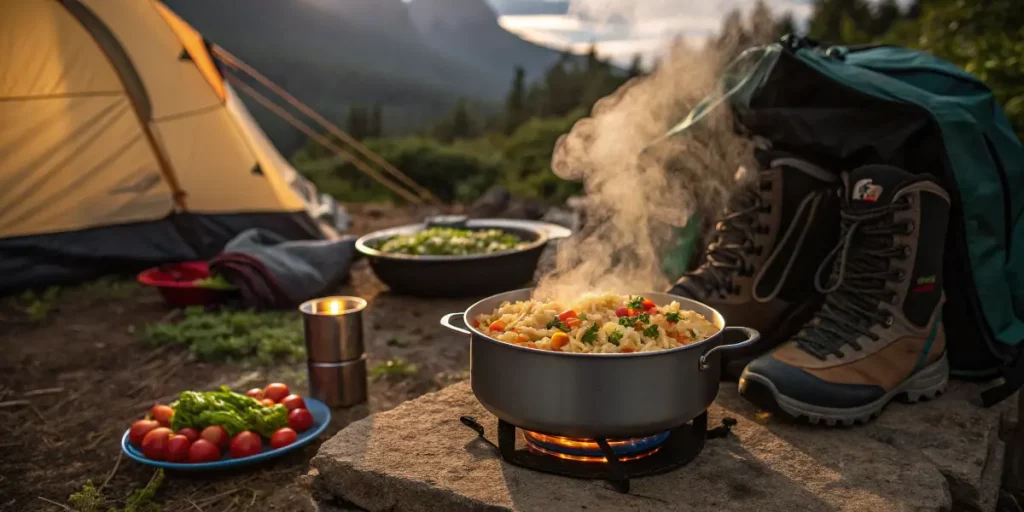
When you’re tired, hungry, and ready to rest, the last thing you want is a complicated dinner. That’s where quick and easy backpacking dinner recipes come to the rescue! These meals are simple to prepare, ensuring you enjoy a hot, hearty dish without the stress of complicated cooking methods.
One of the most-loved choices in this category is one-pot meals, which are known for being fast and mess-free. Many of the best backpacking dinner recipes rely on this cooking technique because it saves time and reduces cleanup, letting you relax under the stars.
Take, for example, a simple couscous dish: couscous cooks quickly and pairs perfectly with dehydrated vegetables and light seasonings. Couscous is a frequent feature in the best backpacking dinner recipes because it’s lightweight, easy to store, and incredibly versatile.
Similarly, pasta dishes with dehydrated veggies are another great choice. Pasta is a core ingredient in the best backpacking dinner recipes for its ease of preparation, lightweight nature, and adaptability. Pair it with tomato sauce, olive oil, or pesto powder, and you’ve got a winning meal!
One-Pot Backpacking Meals for Fast Cleanup
One-pot meals are a backpacker’s dream—minimal dishes, maximum satisfaction. Simply toss your ingredients into a pot, and you’re good to go. Here are a few favorites:
- One-Pot Chili Mac: Combine instant pasta, dehydrated beans, powdered cheese, and a dash of chili seasoning. The result? A hearty, savory dish that will warm you from the inside out.
- Couscous and Veggie Stew: Couscous cooks quickly and pairs well with dehydrated vegetables, olive oil, and spices like cumin or curry powder. This dish is lightweight but filling and is often featured in many best backpacking dinner recipes.
Why are one-pot meals so effective? They conserve both time and fuel, meaning you can enjoy a hearty dinner without having to scrub pots late into the night.
Quick-Boil Pasta Dishes with Dehydrated Veggies
When you need comfort food on the trail, pasta never disappoints. Its versatility and ease of preparation make it a core part of the best backpacking dinner recipes. You can customize it endlessly using sauces, proteins, and seasonings.
Try a simple pasta with dehydrated tomato sauce and sundried tomatoes, then top it off with a packet of Parmesan. Another option is mixing in rehydrated vegetables with olive oil and garlic powder for a Mediterranean-style dinner.
Why are one-pot meals so effective? They conserve both time and fuel, meaning you can enjoy a hearty dinner without having to scrub pots late into the night.
Why Pasta Is a Backpacking Staple
- Lightweight and calorie-dense
- Cooks in minutes
- Pairs well with nearly any ingredient
Try a simple pasta with dehydrated tomato sauce and sundried tomatoes, then top it off with a packet of Parmesan. Another option is mixing in rehydrated vegetables with olive oil and garlic powder for a Mediterranean-style dinner.
High-Protein and Hearty Backpacking Recipes
Protein is crucial on the trail. It helps repair muscle and keeps you feeling full and energized. The best backpacking dinner recipes include protein-packed options that don’t take up too much space in your pack.
One of the best examples of a protein-rich option is lentil stew. Lentils are lightweight, high in protein, and easy to cook, making them a staple in many best backpacking dinner recipes. Simply combine lentils with dehydrated vegetables, vegetable broth powder, and seasonings for a hearty, satisfying stew.
Another standout in the world of best backpacking dinner recipes is instant rice with tuna pouches. Tuna is rich in protein, and when paired with instant rice, soy sauce, and rehydrated vegetables, it makes for a quick, nutritious dinner. This simple combination provides the energy and nutrients needed for long, demanding hikes.
For those who prefer a vegetarian option, chickpea curries are a fantastic choice. Chickpeas are nutrient-dense and frequently featured in vegan variations of the best backpacking dinner recipes. Just add coconut milk powder and curry seasoning to dehydrated chickpeas and you’ve got a flavorful dish that will warm you up on a chilly evening.
High-Protein Lentil Stews
Lentils are a powerhouse ingredient for backpackers. Packed with protein and fiber, they’re lightweight and easy to cook. Simply combine dehydrated lentils with veggie broth powder, onions, and spices like cumin or paprika. Once rehydrated, you’ll have a thick, hearty stew that hits the spot.
These types of high-protein meals are frequently recommended as part of the best backpacking dinner recipes due to their ability to promote muscle recovery.
For more healthy, hearty meals, check out our Weight Watchers dinner recipe recommendations here.
Hiking all day requires meals that aren’t just filling—they need to rebuild your muscles and keep you energized for the next climb. Protein-rich recipes do just that while keeping your taste buds happy.
Why Lentils Are Perfect for Backpacking:
- High protein content to support muscle recovery
- Lightweight and packable when dried
- Cook quickly, especially split lentils
Pro tip: Pair your lentil stew with instant rice for extra calories and carbs.
Instant Rice and Tuna Meals
Tuna pouches are a game-changer for backpackers—they’re lightweight, packed with protein, and don’t require refrigeration. Pair them with instant rice, dehydrated peas, and a dash of soy sauce for a satisfying trail meal.
For variety, you can try different flavors of tuna (lemon pepper, spicy Thai chili) and season the rice with garlic powder or curry. Add some crushed peanuts or cashews for an extra crunch!
Flavor Hacks for Tuna-Based Meals:
- Add powdered miso soup for an umami kick
- Stir in peanut butter for a Thai-inspired twist
- Sprinkle red chili flakes for heat
With these high-protein meals in your pack, you’ll be ready to take on any challenge the trail throws your way.
Lightweight Dehydrated Meals for Long Trips
Dehydrated meals are the bread and butter of many best backpacking dinner recipes. They take up little space, are easy to carry, and provide a variety of flavors to keep things interesting.
For those who prefer DIY options, dehydrated vegetable and grain bowls are an excellent choice. By dehydrating your own lentils, quinoa, and vegetables at home, you can create custom meals that cater to your preferences while reducing weight in your backpack. Store-bought dehydrated meals, like those from Mountain House, are also popular options in many lists of best backpacking dinner recipes.
DIY Dehydrated Backpacking Meals
Creating your own dehydrated meals is easier than you think—and it gives you complete control over taste, nutrition, and ingredients. Dehydrating pasta, vegetables, and even full meals like stews ensures you can enjoy a warm, comforting dinner without carrying fresh ingredients.
Popular DIY Dehydrated Options:
- Vegetable lentil soup: Dehydrate lentils, carrots, onions, and spinach to create a lightweight, protein-packed meal.
- Spaghetti with sauce: Cook pasta with tomato sauce, dehydrate it, and store it in resealable bags. Just rehydrate and heat!
Tips for DIY Success:
- Store meals in vacuum-sealed bags to preserve freshness.
- Add flavor bombs like spice blends, dried garlic, or powdered cheese for a gourmet kick.
Store-Bought vs. DIY Dehydrated Meals: Pros and Cons
For some backpackers, convenience is king. If you prefer something easy and ready-to-go, store-bought dehydrated meals are a great option. Many brands, like Mountain House or Backpacker’s Pantry, offer delicious varieties ranging from Pad Thai to beef stroganoff.
Pros of Store-Bought Meals:
- No prep required—just add boiling water
- Long shelf life
- Wide variety of flavors and options
Cons of Store-Bought Meals:
- More expensive than DIY options
- Some may contain preservatives or added sodium
For those on a budget or looking to personalize their meals, DIY is the way to go. But if you’re tight on time, investing in high-quality store-bought dehydrated meals can be a lifesaver. Whichever option you choose, these lightweight meals are guaranteed to fuel your trek without weighing you down.
First-Night Backpacking Meal Ideas
The first night on the trail often offers a bit of flexibility, making it the perfect opportunity to enjoy fresh ingredients that you wouldn’t carry for long trips. Many of the best backpacking dinner recipes take advantage of this window by including ingredients like pre-cooked chicken, fresh veggies, or soft cheeses.
A classic example is pasta with sautéed vegetables and Parmesan. This meal combines lightweight staples with fresh ingredients for a luxurious dinner that feels like a treat after a long day of hiking. For health-conscious hikers, consider incorporating Weight Watchers-inspired dinner recipes like grilled chicken with quinoa and roasted veggies, another feature in the list of best backpacking dinner recipes.
Fresh Ingredients to Bring for Your First Night
Carrying fresh ingredients for more than a day can be impractical, but for the first night, you can indulge in things that wouldn’t normally make it on a backpacking menu. Consider packing:
- Pre-cooked chicken or sausage: Add it to rice or pasta dishes for a protein boost.
- Fresh veggies: Bell peppers, onions, or cherry tomatoes work well and won’t spoil quickly.
- Soft cheeses: Brie or mozzarella can be a luxurious addition to your first dinner.
A simple meal of pasta with fresh veggies, olive oil, and Parmesan can taste heavenly when cooked outdoors.
Weight Watchers Dinner Recipes Perfect for Backpacking
For those looking to keep meals both tasty and health-conscious, Weight Watchers dinner recipes can be a game-changer. On the first night, try:
- Grilled chicken with quinoa and fresh veggies: Lightweight, high in protein, and satisfying.
- Vegetable stir-fry with rice noodles and soy sauce: Easy to cook and loaded with flavor.
These recipes balance flavor and nutrition without weighing you down, making them ideal for your first day on the trail.
Vegan and Vegetarian Backpacking Dinners
Whether you’re vegan or just looking to reduce your meat intake, there are plenty of plant-based options within the best backpacking dinner recipes. One crowd favorite is quinoa bowls with rehydrated vegetables. Quinoa is a complete protein, and when combined with dried veggies, olive oil, and spices, it becomes a satisfying meal that’s both light and filling.
Another common vegan option in the best backpacking dinner recipes is chickpea curry. The combination of chickpeas, curry spices, and coconut milk powder creates a fragrant, creamy meal that feels like comfort food even in the middle of the wilderness.
Protein-Packed Quinoa Bowls with Dehydrated Veggies
Quinoa is a nutritional powerhouse, offering a complete source of protein, fiber, and essential minerals. When combined with rehydrated vegetables, olive oil, and your favorite seasonings, it becomes the ultimate trail-friendly dinner.
How to Prepare:
- Cook quinoa in boiling water (or use instant quinoa for faster results).
- Rehydrate dehydrated vegetables like bell peppers, peas, and carrots.
- Mix everything together, and drizzle with olive oil. Add garlic powder, paprika, or nutritional yeast for extra flavor.
For a protein boost, toss in roasted chickpeas or sunflower seeds. Every bite will be a burst of flavor and texture!
Chickpea Stews and Curries
Nothing beats the warmth of a spicy stew when the temperature drops. Chickpeas, a protein-packed legume, are the star of many vegan backpacking meals. You can use canned chickpeas on short trips or opt for dehydrated ones to save weight.
Trail-Friendly Chickpea Curry:
- Rehydrate chickpeas while you set up camp.
- In a pot, add powdered coconut milk, curry spices (like turmeric and cumin), and dehydrated veggies.
- Let it simmer, and you’ll have a rich, fragrant curry in minutes.
Chickpea stews are filling, flavorful, and perfect for recovering after a long day. Pair with instant rice or flatbread for a full meal.
With these plant-based options, you won’t miss the meat. Instead, you’ll enjoy clean, lightweight meals that pack plenty of energy to get you through the toughest trails.
Unique and Gourmet Backpacking Dinner Recipes
Want to take your outdoor meals to the next level? If you’re tired of the usual pasta or oatmeal dinners, gourmet backpacking meals are a fun way to indulge your inner foodie—no fancy kitchen required. With just a little creativity and the right ingredients, you can enjoy bold, unique flavors even in the middle of nowhere.
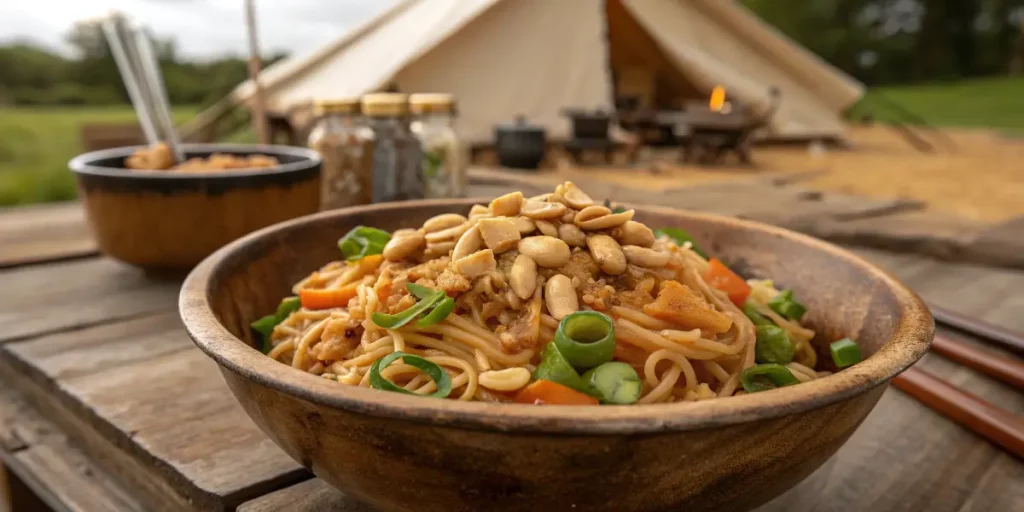
Ramen Stir-Fry with Peanut Butter Sauce
Don’t underestimate the humble packet of instant ramen. When prepared creatively, it can be transformed into a gourmet dish that rivals anything you’d find at a restaurant.
Ingredients:
- Instant ramen (ditch the flavor packet for something better!)
- Peanut butter (a small travel container works perfectly)
- Soy sauce or tamari
- Dehydrated vegetables (like mushrooms and green onions)
How to Make It:
- Cook the ramen and drain most of the water.
- In a separate bowl, mix peanut butter, soy sauce, and a dash of hot sauce to create a rich, nutty sauce.
- Toss the noodles in the sauce, add veggies, and enjoy a creamy, spicy stir-fry packed with protein and flavor.
Spicy Coconut Curry with Dehydrated Shrimp
Coconut curry may sound like something you’d have at home, but it’s surprisingly easy to prepare on the trail. Dehydrated shrimp (or tofu for vegans) adds protein and umami, while coconut milk powder gives it a creamy base.
How to Make:
- Rehydrate shrimp or tofu while you boil water.
- In a pot, mix coconut milk powder, curry spices, dehydrated veggies, and rehydrated protein.
- Let it simmer until the flavors meld together, creating a fragrant, spicy curry.
This gourmet meal is perfect for colder nights when you need something warm and comforting.
With these creative recipes, your backpacking dinners will go from basic to gourmet without adding extra weight to your pack.
Cold-Soak Backpacking Meals (No Cooking Required)
Sometimes, after a long day of hiking, the last thing you want to do is set up a stove and boil water. That’s where cold-soak meals come to the rescue! With no cooking required, these meals are perfect for ultralight backpackers or those who want a no-fuss dinner solution. Just soak your ingredients in cold water while you set up camp, and you’ll have a meal ready in no time.
How to Prepare Cold-Soak Meals Efficiently
Cold-soak meals are all about planning ahead. Before your trip, pre-pack your ingredients in resealable bags or containers. When you’re ready to eat, add cold water, seal it up, and let it sit for 20-30 minutes while you relax. The result? A ready-to-eat meal that’s both refreshing and satisfying.
Cold-Soak Essentials:
- Instant couscous or quinoa
- Dehydrated vegetables
- Dried beans or lentils (pre-cooked)
- Lightweight seasonings like garlic powder, chili flakes, or lemon pepper
Best No-Cook Backpacking Recipes
Mediterranean Couscous Salad:
- Instant couscous, dehydrated tomatoes, olives, and chickpeas
- Olive oil and dried herbs (basil, oregano)
- Let it soak, then drizzle with olive oil for a flavorful Mediterranean twist.
Cold-Soak Peanut Noodles:
- Instant rice noodles, powdered peanut butter, soy sauce, and dried green onions
- Add cold water to the noodles and mix the sauce in once rehydrated for a creamy, nutty dish.
Overnight Oats with Fruit and Nuts:
- Rolled oats, powdered milk, dried fruits, and nuts
- Add water before bedtime, and wake up to a ready-made breakfast that’s filling and nutritious.
With no stove needed and minimal cleanup, cold-soak meals are perfect for when you need quick fuel without the hassle.
Packing, Storage, and Food Safety on the Trail
A well-fed backpacker is a happy backpacker—but food safety and smart packing can make or break your adventure. Ensuring your meals stay fresh and properly packed will not only keep you healthy but also lighten your load.
Proper Food Storage to Keep Meals Fresh
Backpacking meals may be dehydrated, but they still need proper storage to stay fresh. Follow these tips to prevent spoilage or contamination:
- Vacuum-seal DIY meals: Air exposure can lead to spoilage, so vacuum-sealing keeps them fresh longer.
- Use airtight containers or resealable bags: This helps prevent moisture from getting in.
- Keep perishables for the first night only: Fresh ingredients like cheese, meat, or veggies should be consumed early in the trip.
Tips for Minimizing Waste and Pack Weight
No one wants to carry excess trash on the trail. Here’s how you can pack light and leave no trace:
- Pre-portion meals: Don’t carry more food than you need.
- Remove packaging before leaving home: Strip away bulky boxes or wrappers and repack items into lightweight bags.
- Pack out all trash: Use a designated trash bag to carry out waste, even biodegradable items.
Food Safety Basics:
- Store food away from your tent to avoid attracting wildlife.
- Follow “bear bag” or bear canister practices in areas with wildlife.
- Don’t eat food that smells off or shows signs of spoilage.
When you plan and pack with care, you’ll spend less time worrying about food safety and more time enjoying the trail.
Frequently Asked Questions (FAQs)
Planning backpacking meals can be exciting, but questions often pop up, especially when you’re trying to balance taste, weight, and nutrition. Here, we’ll answer some of the most common questions to help you get the most out of your trail dinners.
1. What Are the Best Dehydrated Backpacking Meals?
The best dehydrated meals are those that meet your energy needs while being lightweight and easy to prepare. Popular options include:
- Dehydrated lentil soups: High in protein and fiber
- Instant rice with dehydrated veggies: A perfect base for various seasonings
- DIY dehydrated pasta dishes: Flavorful and filling without weighing down your pack
If you’re short on time, pre-made options like Mountain House or Backpacker’s Pantry meals are convenient and delicious.
2. What’s a Good First-Night Backpacking Meal Idea?
For your first night, take advantage of the fact that you can carry fresh ingredients without worrying about spoilage. Some great options include:
- Fresh pasta with sautéed vegetables and Parmesan
- Pre-cooked chicken or sausage with instant rice
- Weight Watchers dinner recipes like quinoa bowls with grilled veggies
These meals allow you to indulge in a fresh and hearty dinner before switching to dehydrated or cold-soak options.
3. How Can I Make My Meals Lightweight but Nutritious?
Focus on calorie-dense foods that provide energy without adding too much bulk. Examples include:
- Nuts and seeds: Great for snacking and adding healthy fats
- Dehydrated beans and lentils: Lightweight but packed with protein
- Olive oil: Adds calories and flavor without taking up much space
Pre-mix your seasonings and sauces to save weight and time.
4. Are Weight Watchers Dinner Recipes Suitable for Backpacking?
Absolutely! Many Weight Watchers recipes focus on balanced nutrition, which is ideal for outdoor adventures. Options like quinoa salads, veggie-packed curries, and lean-protein meals work perfectly on the trail.
By planning ahead and packing smart, you’ll enjoy flavorful, lightweight meals that fuel your body and uplift your spirit—leaving you ready to take on every twist and turn of the trail.
For more trail food hacks and backpacking tips: