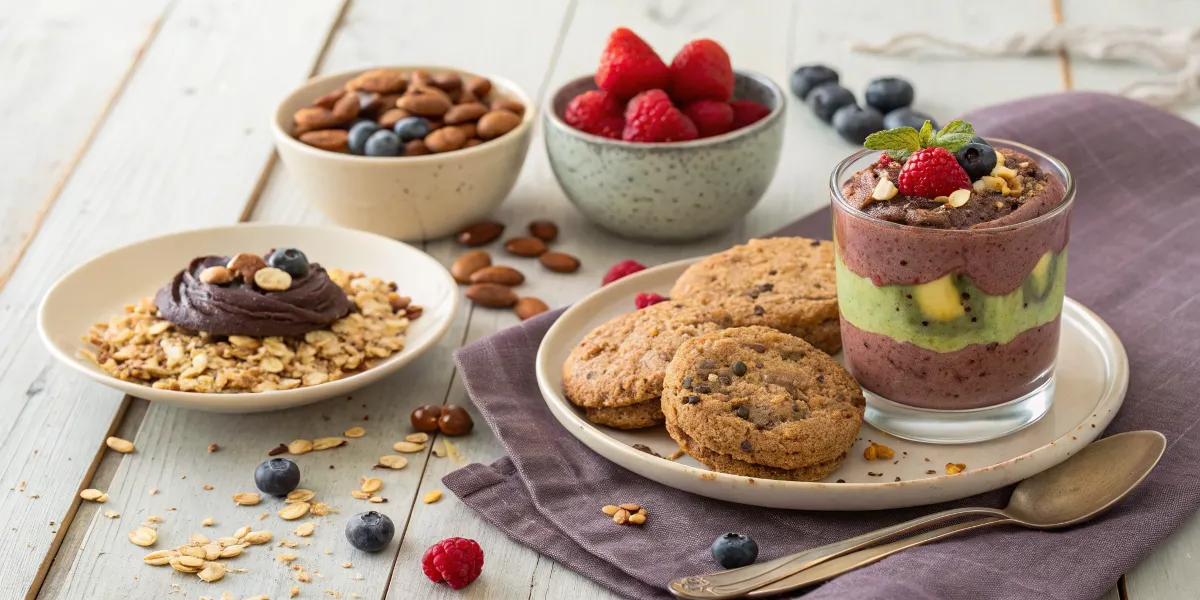
When you hear “dessert,” your mind probably jumps to sugar-loaded cakes, pastries, and gooey cookies, right? But what if I told you that indulging in sweets doesn’t have to derail your health goals? In this guide, we’ll explore how you can satisfy your sweet tooth guilt-free by diving into the world of healthy dessert recipe books. From discovering what makes a cookbook worth your time to creating your very own dessert collection, this article covers it all.
Table of Contents
Let’s get started on this sweet adventure!
Introduction to Healthy Dessert Recipe Books
Healthy desserts aren’t just a passing trend—they’re a lifestyle upgrade. Imagine biting into a decadent chocolate brownie, only to realize it’s made from avocado and dark cocoa. With more people prioritizing health-conscious living, there’s a growing demand for creative, nutritious dessert recipes that don’t compromise on flavor.
The Rising Popularity of Healthy Desserts
In the past, desserts had a bad rap for being calorie bombs that left you feeling guilty afterward. But today’s guilt-free desserts have flipped the script. Modern cookbooks offer options that fit almost any dietary preference: vegan, gluten-free, and low-calorie sweet treats now dominate kitchen shelves. People want to indulge without paying the price in unwanted sugar crashes or bloating.
More importantly, these desserts aren’t just healthier—they taste amazing too. Thanks to smart ingredient swaps like using dates for sweetness or almond flour instead of refined flour, you can enjoy familiar flavors in a healthier package.
Benefits of Choosing Healthy Dessert Cookbooks
Why invest in a healthy dessert recipe book when you can find recipes online? Good question. Here’s the thing: cookbooks bring structure, curation, and tested recipes that online searches simply can’t guarantee. Plus, you get access to exclusive tips from expert bakers. Other benefits include:
- Access to recipes designed to meet specific health goals like reducing sugar intake or improving digestion.
- Clear nutritional breakdowns, so you know exactly what’s going into your body.
- Versatile options for quick snacks, post-workout fuel, or indulgent weekend treats.
A well-curated cookbook can become your go-to kitchen companion, saving you time and frustration when trying to whip up something satisfying without the sugar overload. Ready to explore what makes a great cookbook and which ones to add to your shelf? Keep reading!
Key Features of a Quality Healthy Dessert Recipe Book
Not all cookbooks are created equal. To make sure you’re getting the most out of your investment, it’s important to look for specific features that separate a run-of-the-mill recipe collection from a truly effective healthy dessert recipe book. The right one should help you create desserts that balance health, flavor, and convenience.
Nutritional Information Transparency
Knowing exactly what you’re eating is key when trying to maintain a healthy diet. The best cookbooks include detailed nutritional breakdowns, such as calorie counts, macros, and sugar content. This is especially useful for people managing specific dietary needs, whether it’s low-carb living or plant-based eating.
Without nutritional transparency, you’re left guessing whether that oatmeal cookie sweetened with dates is actually a better alternative.
Diverse Range of Recipes
Variety keeps your taste buds happy! The ideal healthy dessert recipe book will offer a mix of recipes like smoothies, baked goods, puddings, and frozen treats. From whole food desserts to gluten-free recipes, having diverse options ensures you can whip up something tasty regardless of your mood or pantry situation.
For example, a cookbook with easy, no-bake options alongside more involved baking projects will suit different occasions, whether you’re short on time or planning a weekend indulgence.
Accessibility of Ingredients
There’s nothing worse than picking a dessert recipe only to find that you need obscure, expensive ingredients. Cookbooks that rely on staple pantry items like oats, nuts, cocoa powder, and natural sweeteners will always be more practical. Additionally, ingredient substitutions should be part of the cookbook’s structure, so you can make tweaks based on availability or dietary preferences.
Clear and Concise Instructions
Even if you’re new to healthy baking, a well-structured cookbook should guide you with clear, step-by-step instructions. Extra tips for avoiding common mistakes, like overbaking refined sugar-free brownies or ensuring coconut oil doesn’t overpower delicate flavors, can be game-changers.
Top Healthy Dessert Recipe Books to Consider
To help you get started on your journey to guilt-free indulgence, here’s a list of some of the top healthy dessert recipe books you can add to your kitchen shelf. These books have been handpicked for their reliable recipes, nutritious alternatives, and rave reviews.
“Clean Desserts” by Karielyn Tillman
This cookbook focuses on simple, wholesome desserts made from natural, plant-based ingredients. Nut-free, gluten-free, and refined sugar-free recipes make it suitable for a wide audience. Popular treats include the raw chocolate tart and no-bake coconut bars—perfect for satisfying your cravings without the post-sugar crash.
- Why It Stands Out: Minimalist ingredients and fuss-free preparation.
- Top Recipe Recommendation: Chocolate avocado mousse.
“Bake to Be Fit’s Secretly Healthy Desserts” by Sarah Lynn
Sarah Lynn’s book proves that indulgent desserts don’t have to be packed with sugar and flour. You’ll find recipes for protein-packed cookies, sugar-free muffins, and even healthy donuts that you won’t believe are nutritious.
- Why It Stands Out: The recipes are designed to be simple, making them ideal for beginners.
- Top Recipe Recommendation: Peanut butter protein brownies.
“Sweets in the Raw: Naturally Healthy Desserts” by Laura Marquis
This cookbook is a haven for raw dessert enthusiasts, featuring recipes made with whole foods and no artificial ingredients. From fruit-based ice creams to cashew cream cakes, it’s all about satisfying sweet cravings in the healthiest way possible.
- Why It Stands Out: Emphasis on raw, unprocessed ingredients.
- Top Recipe Recommendation: Raw berry cheesecake.
When choosing a cookbook, remember to prioritize your dietary preferences and cooking style. Whether you love baked goods or raw treats, there’s a healthy dessert recipe book out there for you.
How to Choose the Right Healthy Dessert Cookbook for You
Selecting the perfect healthy dessert recipe book can feel overwhelming with so many options available. However, by focusing on your personal needs and preferences, you can find a cookbook that becomes your go-to guide for guilt-free indulgence.
Assessing Your Dietary Needs and Preferences
First and foremost, consider your dietary requirements. Are you following a vegan, gluten-free, or low-sugar diet? Ensure the cookbook aligns with these needs. For instance, if you’re avoiding dairy, a vegan dessert book would be ideal. Additionally, think about flavor profiles you enjoy. Do you prefer fruity desserts over chocolatey ones? Choosing a book that caters to your taste will keep you motivated to try new recipes.
Evaluating Recipe Complexity and Required Equipment
Next, assess the complexity of the recipes. If you’re a novice baker, look for cookbooks that offer simple, straightforward instructions with minimal steps. On the other hand, if you enjoy a challenge, a book with intricate recipes might be more suitable. Also, consider the equipment required. Ensure that the recipes don’t demand specialized tools you don’t possess. A good cookbook should offer a balance, catering to both simple and more elaborate dessert preparations.
Considering Author Expertise and Credibility
Lastly, research the author’s background. An author with a solid reputation in healthy cooking or nutrition can provide reliable and well-tested recipes. Look for credentials such as culinary training, nutrition certifications, or a history of reputable publications. Reading reviews and testimonials can also offer insights into the book’s quality and the author’s credibility.
By carefully considering these factors, you can select a healthy dessert recipe book that not only meets your dietary needs but also inspires you to create delicious and nutritious treats.
Creating Your Own Healthy Dessert Recipe Book
Embarking on the journey to create your own healthy dessert recipe book can be both rewarding and fun. Whether you’re compiling family favorites or experimenting with new creations, here’s a guide to help you craft a collection that reflects your culinary style.
Gathering and Testing Recipes
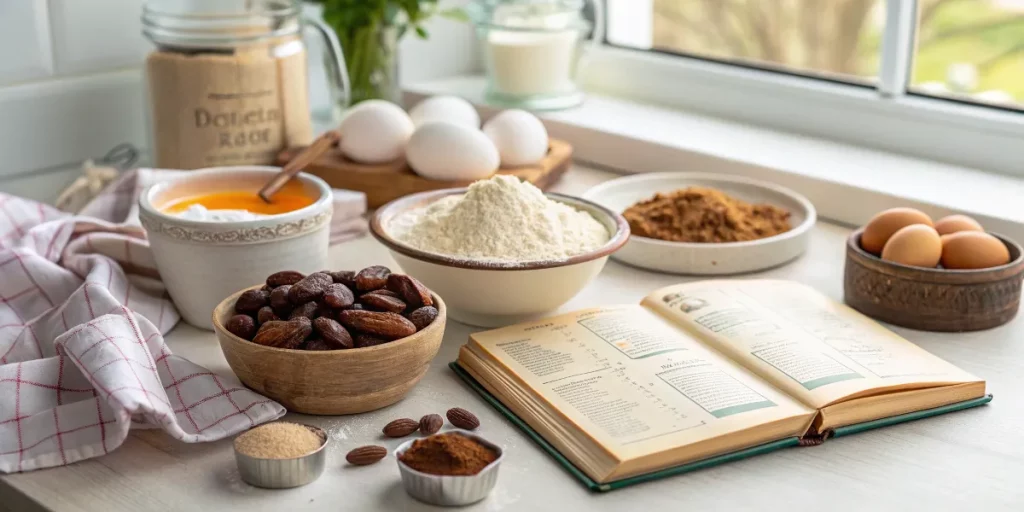
Start by selecting a variety of recipes that cater to different tastes and dietary preferences. Include a mix of low-calorie sweet treats, gluten-free desserts, and vegan options to appeal to a broad audience. Once you’ve gathered your recipes, test each one meticulously. Ensure that the instructions are clear, the ingredients are accessible, and the end result is both healthy and delicious. This testing phase is crucial to guarantee the reliability of your cookbook.
Photography and Presentation Tips
Visual appeal plays a significant role in enticing readers. Invest time in photographing your desserts in natural lighting, using simple backgrounds to make the dishes stand out. You don’t need professional equipment; even a smartphone with a good camera can suffice. Focus on capturing the textures and colors that make your desserts look irresistible. Additionally, consider the layout of your book. Organize recipes logically, perhaps by categories like “No-Bake Treats” or “Guilt-Free Indulgences,” and ensure that each page is clean and uncluttered.
Publishing Options: Print vs. Digital
Decide whether you want to publish your cookbook in print, digital format, or both. Print books offer a tangible experience and can be great for gifting, but they come with higher production costs. Digital books are more cost-effective, easily shareable, and can reach a global audience instantly. Platforms like Amazon Kindle Direct Publishing allow you to self-publish with relative ease. Weigh the pros and cons of each format to determine which aligns best with your goals and resources.
Promoting Your Cookbook
Once your cookbook is ready, it’s time to share it with the world. Utilize social media platforms to showcase your recipes and engage with potential readers. Create a blog or website where you can share behind-the-scenes content, recipe teasers, and cooking tips. Collaborate with food bloggers or influencers to review your book or feature your recipes. Hosting virtual cooking classes or live Q&A sessions can also generate interest and build a community around your cookbook.
For more delicious recipes, check out our recipe article.
By following these steps, you’ll be well on your way to creating a healthy dessert recipe book that not only reflects your culinary passion but also inspires others to embrace nutritious and delightful desserts.
Frequently Asked Questions (FAQs)
Navigating the world of healthy dessert recipe books can raise a few questions, especially if you’re new to healthy baking. Let’s address some of the most common ones to help you get started on the right foot.
What is the healthiest dessert you can eat?
The healthiest dessert varies depending on your diet and preferences, but generally, desserts made with whole foods and minimal added sugar top the list. Some great options include fruit-based sorbets, chia seed puddings, and oatmeal energy bites. Many healthy dessert recipe books focus on these nutrient-rich options to provide sweetness without the unhealthy extras. For instance, desserts using natural sweeteners like honey, dates, or maple syrup can help you avoid refined sugar.
What is a book with recipes called?
A book containing recipes is commonly referred to as a cookbook. In the context of desserts, you’ll find books specifically focused on creating sweets that meet health-conscious guidelines. A healthy dessert recipe book often includes not just recipes, but also tips on ingredient substitutions, portion control, and nutritional facts.
How can I create a recipe book for free?
Creating a recipe book for free is easier than you think! Digital platforms like Canva, Google Docs, and Blurb provide free templates for designing your book. Compile your favorite recipes, take high-quality pictures of your dishes, and use these tools to create an attractive layout. Once you’re satisfied, you can distribute the book digitally or print it on a budget.
Are there healthy dessert cookbooks suitable for specific dietary restrictions?
Yes, absolutely! Whether you’re following a gluten-free, vegan, low-carb, or keto diet, there are cookbooks tailored to your needs. Check the table of contents or index when buying a cookbook to see if it has a section dedicated to dietary-specific recipes.
Conclusion: Start Your Journey to Guilt-Free Indulgence
In the world of healthy eating, finding the perfect balance between indulgence and nutrition doesn’t have to be a struggle. A thoughtfully chosen healthy dessert recipe book can change the way you approach desserts—turning them into something you savor without guilt.
With the right cookbook, you’ll have access to low-calorie sweet treats, natural ingredient-based recipes, and gluten-free or vegan options to satisfy any craving. You’ll not only enjoy what you make but also feel good about the wholesome ingredients you’re using.
As you begin this journey, don’t forget to experiment with different recipes and customize them to your taste. Healthy desserts aren’t about restriction—they’re about creativity and flavor. Whether you’re baking avocado brownies, making chia seed puddings, or whipping up a cashew cream cake, the possibilities are endless.
So, what’s stopping you? Dive into the world of healthier desserts, explore top-rated cookbooks, and even try creating your own recipe collection. Your taste buds—and your body—will thank you. For more inspiration and delicious ideas, be sure to explore our recommended recipe collections. Here’s to guilt-free indulgence and endless sweet success!
Top Ingredients for Healthy Desserts
A key factor that sets a good healthy dessert recipe book apart is its focus on using wholesome, natural ingredients. With the right pantry staples, you can create desserts that are both nutritious and delicious, without relying on refined sugars or artificial additives.
Natural Sweeteners
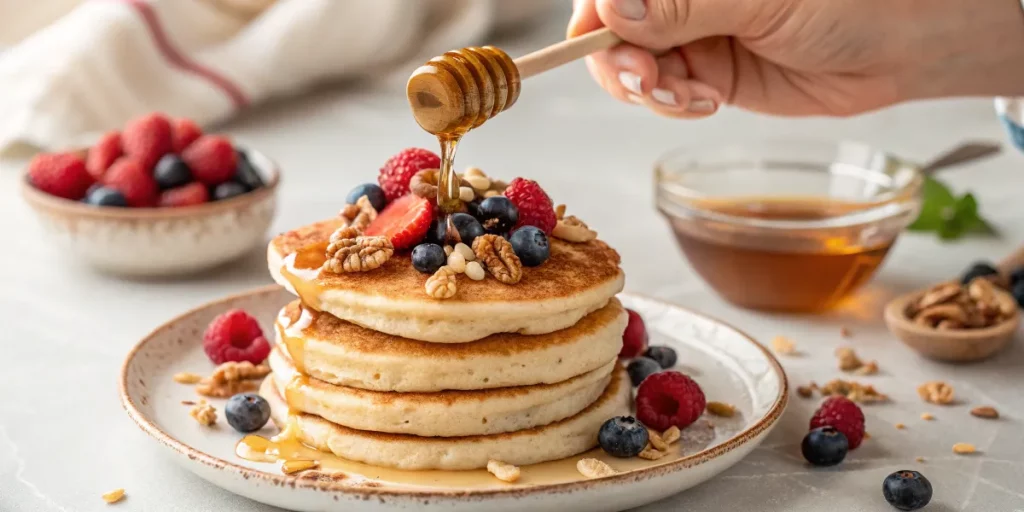
Say goodbye to refined sugar and hello to healthier alternatives that add sweetness and depth of flavor. Some popular options include:
- Honey: Packed with antioxidants and antibacterial properties, honey is a versatile natural sweetener perfect for baked goods and smoothies.
- Maple Syrup: A plant-based option rich in minerals like zinc and manganese. It’s great for adding a warm, earthy sweetness to cookies, cakes, and pancakes.
- Dates: Blended into a paste, dates work well in energy bites, brownies, and no-bake desserts while offering a fiber boost.
Using these sweeteners can make your desserts feel indulgent while keeping them on the healthier side. Most healthy dessert recipe books will feature at least a few recipes utilizing these alternatives.
Whole Grain and Alternative Flours
Replacing refined flour with nutrient-dense flours not only makes desserts healthier but also enhances texture and taste. Some options you’ll encounter include:
- Almond Flour: Low-carb and packed with protein, almond flour is ideal for gluten-free desserts like cookies and cakes.
- Coconut Flour: Absorbs moisture well and adds a subtle coconut flavor. It’s commonly used in keto-friendly and paleo desserts.
- Oat Flour: High in fiber, it’s a great addition to muffins, pancakes, and granola bars.
These flours allow you to enjoy baked goods without the blood sugar spikes typically caused by refined white flour.
Healthy Fats
Incorporating healthy fats ensures your desserts are both satisfying and nutritious. Some of the best options include:
- Avocado: Creamy and rich, it’s perfect for mousses, brownies, and puddings.
- Coconut Oil: Adds moisture to baked goods and works well in no-bake recipes.
- Nuts and Seeds: Used as toppings or blended into batters, they offer protein, healthy fats, and crunch.
When you stock your kitchen with these nutrient-rich ingredients, you’ll have everything you need to whip up guilt-free desserts at any time.
Expert Tips for Perfecting Healthy Desserts
Even with the best ingredients and a great healthy dessert recipe book, your results may vary if you’re unfamiliar with the nuances of healthy baking. Here are some expert tips to help you consistently create desserts that are as tasty as they are healthy.
Don’t Overdo Sweeteners
Just because natural sweeteners are healthier doesn’t mean you should use them in excess. Too much honey or maple syrup can still lead to a sugar overload. Start with small amounts and adjust to taste. Many healthy dessert recipes include notes on balancing sweetness to avoid overpowering flavors.
Pay Attention to Moisture Content
Alternative flours like coconut and almond behave differently than traditional flours. Coconut flour, for instance, absorbs a lot of moisture, which can make desserts dry if you don’t compensate with extra liquid or eggs. Follow recipes closely and don’t skip any tips related to texture.
Experiment with Substitutions
Sometimes you won’t have all the required ingredients on hand, and that’s okay! If you’re missing almond flour, oat flour can often step in, or if you’re short on dates, try raisins or figs as a natural sweetener substitute. A good healthy dessert recipe book will often provide substitution ideas, but don’t be afraid to get creative.
Let Flavors Marinate
In many no-bake recipes, letting the dessert sit overnight can enhance its flavor. For example, chia seed puddings, energy bites, and cashew-based cheesecakes tend to taste better after a few hours of resting. Patience truly pays off when it comes to healthy desserts.
By mastering these tips, you’ll elevate your dessert game and impress anyone who tastes your creations.