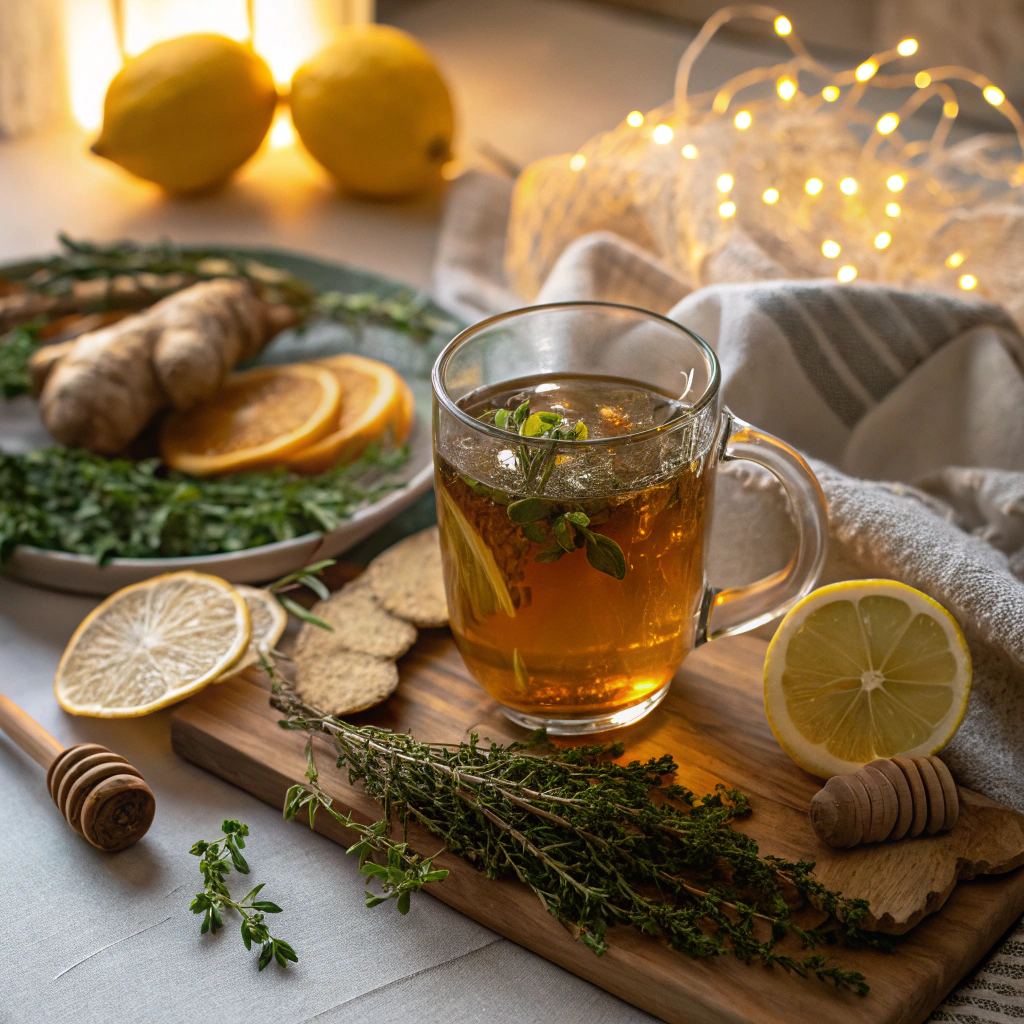
When cold and flu season hits, many of us reach for over-the-counter medications. However, there’s a natural alternative that’s been used for centuries: cold and flu tea. Packed with immune-boosting ingredients like ginger, echinacea, and peppermint, these herbal teas not only soothe symptoms but also promote overall wellness. In this comprehensive guide, we’ll explore the benefits, ingredients, and recipes for cold and flu tea, helping you find relief the natural way. Whether you’re battling a sore throat, congestion, or just looking to boost your immunity, this article has you covered.
Table of Contents
Introduction to Cold and Flu Tea
What is Cold and Flu Tea?
Herbal tea for colds is a natural infusion designed to alleviate symptoms like sore throats, congestion, and fatigue. These blends often include ingredients like ginger, echinacea, and peppermint, which are known for their healing properties. Unlike regular teas, they’re caffeine-free, making them a soothing choice for anyone feeling under the weather.
Why Choose Herbal Teas for Cold and Flu Relief?
When you’re sick, your body needs gentle care. Natural flu remedies like herbal teas offer a way to ease symptoms without the harsh side effects of some medications. For instance, ginger can reduce inflammation, while peppermint helps clear nasal congestion. Additionally, the warmth of the tea can soothe a sore throat and provide comfort during recovery.
The Growing Popularity of Natural Remedies
In recent years, there’s been a significant shift toward natural health solutions. People are increasingly turning to remedies like immune-boosting teas to manage their symptoms. This trend is driven by a desire for holistic wellness and a preference for ingredients that are easy to understand and pronounce.
Benefits of Cold and Flu Tea
Boosting Immunity with Herbal Ingredients
One of the standout benefits of herbal tea for colds is its ability to strengthen the immune system. Ingredients like echinacea and elderberry are packed with antioxidants, which help your body fight off infections. Regularly drinking these teas can reduce the severity and duration of colds and flu.
Soothing Sore Throats and Reducing Coughs
A sore throat is one of the most uncomfortable symptoms of a cold. Thankfully, natural flu remedies often contain honey and lemon, which coat the throat and reduce irritation. Honey also has natural antibacterial properties, making it a powerful ally against coughs.
Relieving Congestion and Sinus Pressure
If you’re struggling with a stuffy nose or sinus pressure, peppermint tea can be a game-changer. The menthol in peppermint acts as a natural decongestant, helping you breathe more easily. Similarly, ginger tea can reduce inflammation in the nasal passages, providing further relief.
Key Ingredients in Cold and Flu Tea
Ginger: A Natural Anti-Inflammatory
Ginger is a superstar in the world of natural remedies. Its anti-inflammatory and antioxidant properties make it ideal for reducing cold and flu symptoms. Whether you’re dealing with a sore throat or nausea, ginger tea can provide quick relief.According to Healthline, ginger tea can help reduce nausea and soothe sore throats.
Echinacea: This herb is widely recognized for its immune-boosting effects. A study published by NCBI highlights its ability to reduce the duration of colds.
Echinacea: The Immune System Booster
Echinacea is widely recognized for its immune-boosting abilities. Studies suggest that it can increase the production of white blood cells, helping your body fight off infections more effectively. Adding echinacea to your herbal tea for colds can give your immune system a much-needed boost.
Peppermint: For Clear Breathing and Relaxation
Peppermint isn’t just refreshing—it’s also incredibly effective at clearing congestion. The menthol in peppermint tea helps open up your airways, making it easier to breathe. Plus, its calming properties can help you relax, which is essential when you’re feeling unwell.
Lemon and Honey: A Dynamic Duo for Sore Throats
Lemon is rich in vitamin C, which supports the immune system, while honey soothes the throat and suppresses coughs. Together, they create a powerful combination that’s both healing and delicious.

How to Make Cold and Flu Tea at HomeSimple Recipes for Soothing Herbal Tea
Making natural cold remedies at home is easier than you might think. Here’s a quick recipe to get you started:
- Ginger-Lemon Tea: Boil 1 cup of water, add 1-inch grated ginger, and let it steep for 5 minutes. Strain, add a squeeze of lemon, and sweeten with honey.
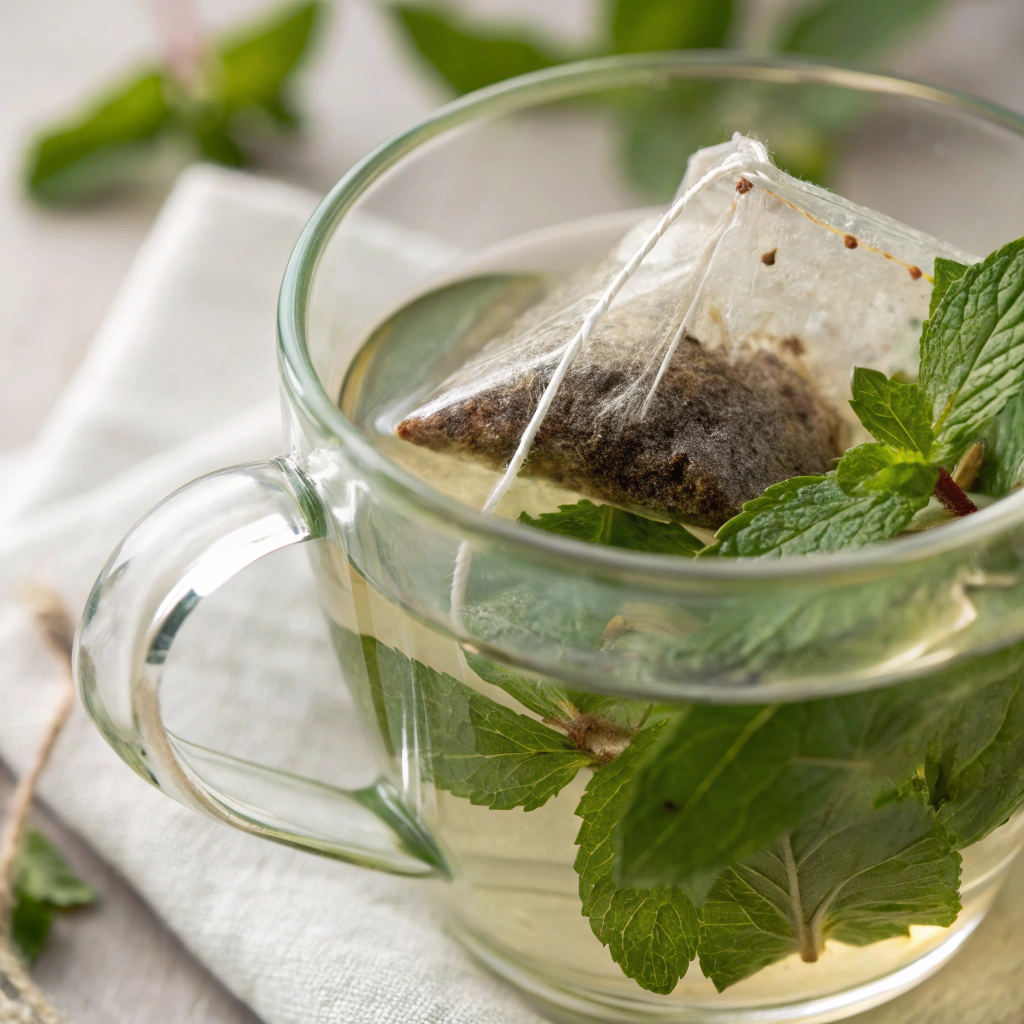
- Peppermint-Echinacea Tea: Steep 1 peppermint tea bag and 1 echinacea tea bag in hot water for 5-7 minutes. Add a teaspoon of honey for extra soothing power.
If you’re looking for more comforting recipes to pair with your healing tea blends, check out these Pillsbury Bake-Off breakfast recipes. They’re perfect for starting your day on a cozy note.
Tips for Brewing the Perfect Cup
To get the most out of your cold and flu tea, follow these tips:
- Use fresh ingredients whenever possible.
- Steep the tea for at least 5 minutes to extract maximum flavor and benefits.
- Avoid boiling water for delicate herbs like peppermint, as it can destroy their beneficial compounds.
Customizing Your Tea for Maximum Benefits
Everyone’s symptoms are different, so feel free to customize your tea. For example, if you’re dealing with congestion, add extra peppermint. If you have a sore throat, increase the amount of honey and lemon. Experimenting with different combinations can help you find the perfect blend for your needs.
Best Store-Bought Cold and Flu Teas
Top Brands to Try
If you’re short on time, there are plenty of excellent store-bought options. Some popular brands include:
- Traditional Medicinals: Known for their organic herbal teas, their Throat Coat and Echinacea Plus blends are perfect for cold and flu relief.
- Yogi Tea: Their Breathe Deep and Ginger teas are packed with immune-boosting ingredients.
- Pukka Herbs: Offers a range of organic teas, including Three Ginger and Echinacea, Sage, and Elderberry.
What to Look for When Buying Cold and Flu Tea
When shopping for cold and flu tea, check the ingredient list for natural, recognizable components. Avoid teas with artificial flavors or excessive additives. Organic options are preferable, as they ensure the herbs are free from pesticides and chemicals.
Organic vs. Non-Organic Options
While organic teas may be slightly more expensive, they often provide higher-quality ingredients. Non-organic teas can still be effective, but they may contain traces of pesticides or other chemicals. If you’re prioritizing purity, organic is the way to go.
When to Drink Cold and Flu Tea
Best Times to Sip for Maximum Relief
Timing is key when it comes to drinking cold and flu tea. For instance, sipping a cup in the morning can kickstart your immune system, while a warm mug before bed can help you relax and sleep better. If you’re feeling particularly congested, drinking tea after a hot shower can enhance its decongestant effects.
Combining Tea with Other Cold Remedies
While cold and flu tea is powerful on its own, combining it with other remedies can amplify its benefits. For example, pairing it with a bowl of chicken soup or a steam inhalation session can provide even more relief. Just remember to stay hydrated and rest as much as possible.
Precautions and Side Effects
Although cold and flu tea is generally safe, it’s important to be mindful of potential side effects. For instance, excessive ginger can cause heartburn, and echinacea may not be suitable for people with autoimmune conditions. Always consult your doctor if you’re pregnant, breastfeeding, or taking medication.
FAQs About Cold and Flu Tea
Can Cold and Flu Tea Replace Medication?
While cold and flu tea can alleviate symptoms, it’s not a substitute for medical treatment. If your symptoms persist or worsen, consult a healthcare professional. However, it can be a great complementary remedy to support your recovery.
How Often Should You Drink It?
For best results, drink 2-3 cups of cold and flu tea daily. Overconsumption of certain ingredients, like ginger or peppermint, can lead to side effects, so moderation is key.
Is It Safe for Children and Pregnant Women?
Most cold and flu teas are safe for children and pregnant women, but it’s essential to check the ingredients. For example, avoid teas with licorice root during pregnancy. When in doubt, consult a healthcare provider.
Can You Drink Cold and Flu Tea Daily?
Yes, you can drink cold and flu tea daily, especially during cold and flu season. However, rotate the ingredients to avoid overloading on any single herb. For instance, alternate between ginger, echinacea, and peppermint teas.
LSI and NLP Keywords for Cold and Flu Tea
Related Keywords and Their Importance
Using LSI (Latent Semantic Indexing) and NLP (Natural Language Processing) keywords can boost your article’s SEO performance. These keywords help search engines understand the context of your content. For example, terms like herbal tea for colds, natural flu remedies, and immune-boosting teas are closely related to cold and flu tea. Including these naturally in your content can improve its visibility and ranking.
How to Use Keywords Naturally in Content
To avoid keyword stuffing, integrate these terms organically. For instance, instead of repeating cold and flu tea multiple times, use variations like soothing herbal tea or immune-supporting blends. This approach keeps your writing engaging while maintaining SEO effectiveness.
Conclusion and Final Thoughts
Why Cold and Flu Tea is a Must-Try
Cold and flu tea is more than just a comforting drink—it’s a natural remedy packed with benefits. From boosting immunity to soothing sore throats, these herbal blends offer a holistic way to manage cold and flu symptoms. Whether you brew your own or opt for store-bought options, incorporating cold and flu tea into your routine can make a noticeable difference in how you feel.
Encouraging Readers to Explore Natural Remedies
As more people seek natural alternatives to over-the-counter medications, cold and flu tea stands out as a simple yet effective solution. By experimenting with different ingredients and recipes, you can find the perfect blend to suit your needs. So, the next time you’re feeling under the weather, reach for a cup of cold and flu tea and let nature do the healing.
While cold and flu tea is a great way to soothe your symptoms, pairing it with a hearty breakfast can make your recovery even better. For inspiration, try these Pillsbury Bake-Off breakfast recipes.