
Sourdough isn’t just for making tangy bread. Believe it or not, this fermented marvel can create some of the most flavorful, mouthwatering desserts you’ll ever taste. From gooey brownies to tangy cheesecakes, the versatility of sourdough makes it a baker’s secret weapon. In this guide, we’ll dive into sourdough dessert recipes that will elevate your baking game and show you how to make the most of that magical starter. Along the way, you’ll pick up tips on using sourdough discard, balancing flavors, and avoiding common baking mistakes. Ready to give your sweet tooth a twist? Let’s jump in!
Table of Contents
Introduction to Sourdough in Desserts
What Is Sourdough and Why Use It in Desserts?
At its core, sourdough is a naturally fermented dough made using a starter—a combination of flour and water teeming with wild yeast and bacteria. While most people associate sourdough with rustic bread, its tangy flavor and rich texture are perfect for desserts too. What makes it stand out in sweet baking is its ability to balance flavors. It adds a subtle zing to desserts, making them less cloyingly sweet while enhancing their overall complexity.
So, why should you try sourdough in desserts? For starters, it introduces a unique flavor profile—think a gentle tang that pairs beautifully with chocolate, fruits, and spices. Additionally, its natural fermentation process improves the texture of baked goods, giving you moist, tender cakes and cookies with a rich crumb.
The Unique Flavor and Texture Sourdough Brings to Sweets
The magic of sourdough lies in its fermentation. As the wild yeast breaks down the flour, it creates lactic acid, which lends that signature tang. In desserts, this tang doesn’t overpower; instead, it complements sweet ingredients by adding depth and preventing desserts from tasting overly sugary. Think of how buttermilk adds richness to pancakes—sourdough takes it a step further.
Texture-wise, sourdough can make desserts fluffier and more tender. The natural fermentation aerates the dough, making cakes rise effortlessly and giving cookies that desirable chewy center with a slight crisp on the edges.
Common Misconceptions About Sourdough and Sweet Dishes
A lot of people think sourdough only works for savory baking. Nope! While it’s true that sourdough is famous for bread, many underestimate how well it can adapt to sweet recipes. Some worry that the tanginess might be too intense, but when used properly, it’s mild and complementary. Another myth? That sourdough is too complicated to handle for desserts. With the right starter and some patience, you’ll see how simple—and rewarding—baking with sourdough can be.
Want to see what deliciousness sourdough can create? Continue to Part 2, where we’ll explore the health benefits of using sourdough in dessert baking!
Benefits of Sourdough in Baking Desserts
Enhanced Flavor Complexity Through Natural Fermentation
One of the standout benefits of using sourdough dessert recipes is the depth of flavor that sourdough brings. The fermentation process doesn’t just create tang—it brings out subtle notes of nuttiness and richness that you wouldn’t get from regular baking. For example, when you bake sourdough brownies, the chocolate flavor feels more intense and layered because the acidity contrasts with the sweetness. Similarly, in sourdough pancakes or cinnamon rolls, the slight tang cuts through the sugar, making them taste more complex and less overwhelming.
The natural fermentation also brings a “slow-food” quality to desserts, meaning they taste better the next day. As the dough rests, it develops a deeper flavor, making your sweet treats even more delicious over time.
Healthier Desserts: Digestive Benefits of Sourdough
Sourdough has a reputation for being more digestible than traditional baked goods, and that extends to desserts too. Thanks to its fermentation process, sourdough breaks down starches and gluten, making the final product easier on the stomach. This is great for those who experience bloating after eating sweets. Plus, the beneficial bacteria in sourdough promote gut health, making your dessert a little more indulgent and nutritious.
If you’re someone who’s looking for treats with fewer blood sugar spikes, sourdough might be your answer. Its slower breakdown of carbohydrates results in a steadier glucose response—perfect for enjoying desserts without the guilt.
How Sourdough’s Slow Fermentation Reduces Sugar and Gluten Impact
Another hidden benefit? Sourdough reduces the need for large amounts of added sugar. The naturally fermented flavors act as a flavor enhancer, making baked goods taste sweet and rich even with less sugar. Gluten, which can be problematic for some, is partially broken down during fermentation, resulting in a dessert that’s gentler on sensitive digestive systems.
Want to try incorporating sourdough’s benefits? Check out creative ways to use puff pastry or sourdough in these dessert recipes to level up your baking.
Classic Sourdough Dessert Recipes to Try
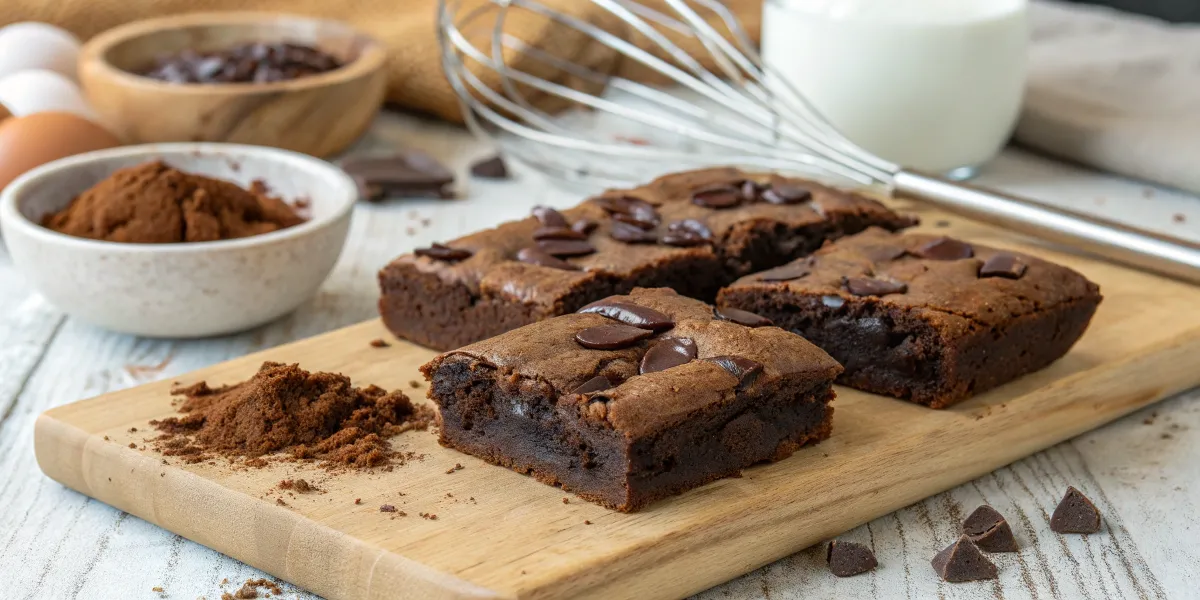
Sourdough Brownies: Rich, Gooey, and Slightly Tangy
There’s nothing quite like biting into a rich, fudgy brownie. Adding sourdough starter or discard gives the batter a deeper complexity that balances the sweetness perfectly. Here’s a simple outline of what you’ll need:
- Ingredients: Sourdough discard, unsweetened cocoa powder, eggs, sugar, and dark chocolate.
- Instructions: Combine the wet and dry ingredients, mix in the sourdough, and bake until gooey in the center. The result? An indulgent dessert with the perfect hint of tang.
Sourdough Chocolate Chip Cookies: A Delicious Twist
Regular chocolate chip cookies are great, but add sourdough, and you get chewy centers with a hint of tangy richness. The starter enhances the texture, creating cookies that are soft, chewy, and slightly crisp around the edges.
- Pro Tip: Allow the cookie dough to chill overnight to give the flavors time to develop further.
Sourdough Pancakes or Waffles: Breakfast Meets Dessert
Love breakfast-for-dinner? You’ll adore these fluffy sourdough pancakes or waffles. They’re light, airy, and packed with flavor thanks to the fermentation process. Top them with whipped cream, berries, or a drizzle of honey for a dessert-worthy twist.
By trying these sourdough dessert recipes, you’ll see firsthand how this fermented dough can create everything from soft cookies to decadent brownies. Ready for something more adventurous? Stick around for Part 4, where we explore creative and unexpected sourdough treats.
Unique and Creative Sourdough Dessert Recipes
Sourdough Cinnamon Rolls: The Fermented Twist on a Classic
If you think cinnamon rolls are delicious, wait until you try them with a sourdough twist. The slow fermentation enhances the dough’s flavor, making it richer, fluffier, and more complex. Instead of just sweet, you get a balance of flavors with hints of tang that pair perfectly with the cinnamon filling.
- Why They’re Better: Fermenting the dough overnight lets the flavors develop, making these rolls taste like they came from a bakery.
- Topping Tip: Add a cream cheese glaze with a touch of vanilla to complement the sourdough flavor.
These aren’t just breakfast treats—they can easily be served as desserts at brunches, family gatherings, or cozy evenings.
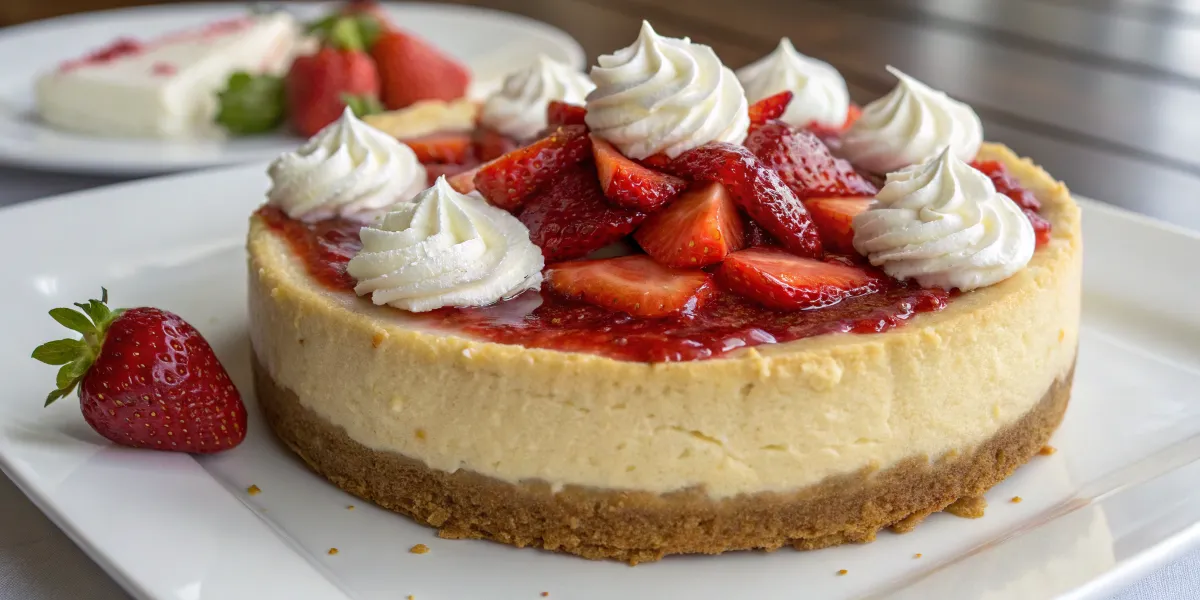
Sourdough Cheesecake Crust: A Game-Changer for Cheesecake Lovers
Have you ever thought of using sourdough to make a cheesecake crust? Well, it’s time to give it a try. Instead of the traditional graham cracker base, this crust uses sourdough starter or discard to add an irresistible depth of flavor. The crust is buttery, crumbly, and has that slight tang that enhances the creaminess of the cheesecake.
- Flavor Pairings: This crust pairs beautifully with lemon, strawberry, or even chocolate cheesecake. The tang of the crust highlights the cheesecake’s creamy filling, creating a contrast you won’t forget.
- How to Make It: Combine flour, butter, sourdough discard, and sugar to form a dough. Roll it out, press it into the pan, and pre-bake before adding the cheesecake filling.
Sourdough Doughnuts: Crispy, Fluffy, and Addictive
Imagine biting into a warm, fluffy doughnut with a golden-brown crust and a slight tangy twist. Sourdough doughnuts are worth the wait, as the fermentation gives them a light and airy texture that’s hard to resist.
- Frying Tips: Let the dough proof slowly for maximum rise. When frying, ensure the oil is at the right temperature (about 350°F) to get that perfect crispy exterior without overcooking the inside.
- Flavor Ideas: Dust them with cinnamon sugar, dip them in chocolate glaze, or drizzle them with honey for an extra indulgent touch.
Looking for more ways to level up your dessert-making? Check out puff pastry dessert recipes for additional inspiration.
How to Incorporate Sourdough Discard in Desserts
What Is Sourdough Discard and Why Should You Use It?
Sourdough discard is the portion of the starter that’s removed during feeding. But don’t throw it away—it’s liquid gold for baking! This discard is packed with flavor and active fermentation properties that make it a perfect addition to many sourdough dessert recipes.
- Why Use It: Using discard reduces waste while infusing your desserts with subtle tanginess. It works particularly well in cookies, cakes, and pancakes. Plus, it’s a budget-friendly way to stretch your ingredients further.
Best Desserts for Sourdough Discard (Cakes, Muffins, Quick Breads)
Sourdough discard is incredibly versatile. Here are some popular desserts where you can easily incorporate it:
- Cakes: Moist, dense cakes like chocolate or carrot cake benefit from the slight acidity of sourdough, which enhances the overall flavor.
- Muffins: Banana or blueberry muffins with sourdough discard have a tender crumb and an added depth of flavor.
- Quick Breads: Think banana bread, zucchini bread, or even apple cinnamon bread. The discard improves texture and prevents them from becoming overly sweet.
Storing and Managing Your Sourdough Discard for Maximum Freshness
To get the most out of your discard, store it properly in the fridge in a sealed container. It can last for up to a week, giving you plenty of time to bake multiple batches of desserts.
For a twist on breakfast treats with a dessert-like flair, don’t miss our crescent roll breakfast recipes. You’ll discover sweet twists that work well with sourdough discard.
Continue to Part 6 to learn essential tips and tricks to master sourdough desserts!
Tips and Tricks for Perfect Sourdough Desserts
Avoiding Over-Fermentation: Maintaining Flavor Balance
When making sourdough dessert recipes, timing is everything. Over-fermenting your dough can lead to an overwhelming tang that overpowers the sweetness of the dessert. To avoid this, keep an eye on proofing times. Desserts with a long fermentation, such as sourdough cinnamon rolls, benefit from overnight proofing, but don’t stretch it too far.
- Tip: Use a slightly mature but not overly active starter. Starters that are too active may over-ferment quickly, making your desserts too dense or overly tangy.
- Balance Alert: If you’re baking something like cookies or brownies, a small amount of discard is perfect to enhance the flavor without making the dessert taste sour.
Temperature Control for Optimal Baking Results
Temperature affects fermentation speed and, ultimately, the texture of your desserts. If your dough is proofing too quickly due to warm temperatures, you may end up with inconsistent textures or over-proofed dough. On the other hand, proofing too slowly can result in dense, heavy desserts.
- Room Temperature Tips: Keep your proofing dough in a warm (but not hot) environment, ideally around 75°F to 80°F. For long fermentation recipes, refrigerate the dough overnight to slow the process and build flavor.
- Baking Tip: Preheat your oven properly. Baking in an oven that hasn’t reached the correct temperature can cause uneven rise and undercooked centers.
Creative Additions: Chocolate, Fruits, and Spices
To elevate your sourdough desserts, don’t be afraid to experiment with flavors. Chocolate, dried fruits, cinnamon, and nuts are all great additions that complement sourdough’s tang. For example, chocolate chips can bring out the rich cocoa notes in brownies, while cinnamon pairs wonderfully with sourdough cinnamon rolls.
Once you’ve nailed these tips, your sourdough desserts will turn out beautifully every time!
Common Mistakes and How to Fix Them
Overusing Starter: Why Less Can Be More
One of the most common mistakes when baking sourdough dessert recipes is using too much starter. More starter doesn’t necessarily mean better results. In fact, it can lead to overly tangy or dense baked goods.
- Fix It: Stick to the recipe’s recommended amount of starter or discard. If you’re experimenting, start small and gradually increase the quantity as needed. Remember, a little tang can go a long way in desserts!
Improper Proofing and Its Impact on Texture
Improper proofing can lead to either dense or gummy desserts. Under-proofing means the dough hasn’t had time to develop enough air, while over-proofing breaks down the dough structure, leading to a collapse.
- How to Fix It: If your dough is under-proofed, give it more time in a warm spot. Over-proofed dough may still be salvageable for some baked goods, like cookies or pancakes, but it’s best to watch proofing times closely.
Fixing Overly Dense or Gummy Sourdough Desserts
If you’ve followed the recipe and your dessert still turns out dense or gummy, the culprit may be incorrect hydration or fermentation issues.
- Solution: Adjust the hydration level of the dough by slightly decreasing liquids. Also, double-check the activity of your starter—if it’s too weak, it won’t provide the right structure.
In Part 8, we’ll cover frequently asked questions that answer common concerns about sourdough desserts!
Frequently Asked Questions
1. Is sourdough good for desserts?
Absolutely! Sourdough isn’t just for bread. Its natural tang complements sweet flavors, creating desserts that are both complex and delicious. Many sourdough dessert recipes benefit from its unique flavor profile, which balances sweetness and prevents baked goods from being overly sugary. Whether you’re making brownies, cookies, or pancakes, sourdough adds depth without being overpowering.
2. What can I make out of sourdough?
Sourdough is incredibly versatile, making it perfect for everything from bread to desserts. In addition to classic options like sourdough cinnamon rolls, you can try sourdough brownies, muffins, doughnuts, pancakes, and even cheesecake crusts. If you have sourdough discard, don’t waste it—it’s perfect for quick breads, cakes, and cookies. Explore endless possibilities by experimenting with different combinations of fruits, spices, and chocolates.
3. Why is sourdough healthier than other bread?
Sourdough’s slow fermentation process breaks down starches and gluten, making it easier to digest than traditional bread. The same benefits apply to sourdough-based desserts. The natural fermentation helps regulate blood sugar, while the beneficial bacteria support gut health. Plus, sourdough desserts tend to be less sugary, making them a better choice when compared to highly processed options.
4. What not to do with sourdough?
When baking sourdough desserts, there are a few things to avoid. Don’t rush the fermentation process—it takes time to develop the flavors and textures you want. Overproofing the dough can lead to dense, gummy desserts. Also, avoid using inactive or underfed starters, as they can affect the rise and flavor of your baked goods.
Conclusion
Sourdough isn’t just a trend—it’s a game-changer in the kitchen, especially when it comes to baking sweet treats. By incorporating it into your favorite recipes, you unlock new flavors, textures, and even health benefits. From tangy brownies to fluffy cinnamon rolls, sourdough dessert recipes offer something for everyone, whether you’re an experienced baker or a curious home cook.
The key to success lies in balancing flavors, managing fermentation times, and being patient. With the right techniques, you’ll create desserts that are not only mouthwatering but also better for your digestion and overall health. Don’t be afraid to experiment—try adding sourdough discard to cookies, muffins, or even cheesecake crusts. Once you’ve mastered the basics, the possibilities are endless.
So, what’s next? Gather your starter, preheat that oven, and dive into the world of sourdough desserts. Your sweet tooth will thank you! If you’re looking for even more inspiration, consider browsing puff pastry dessert ideas to complement your sourdough creations.