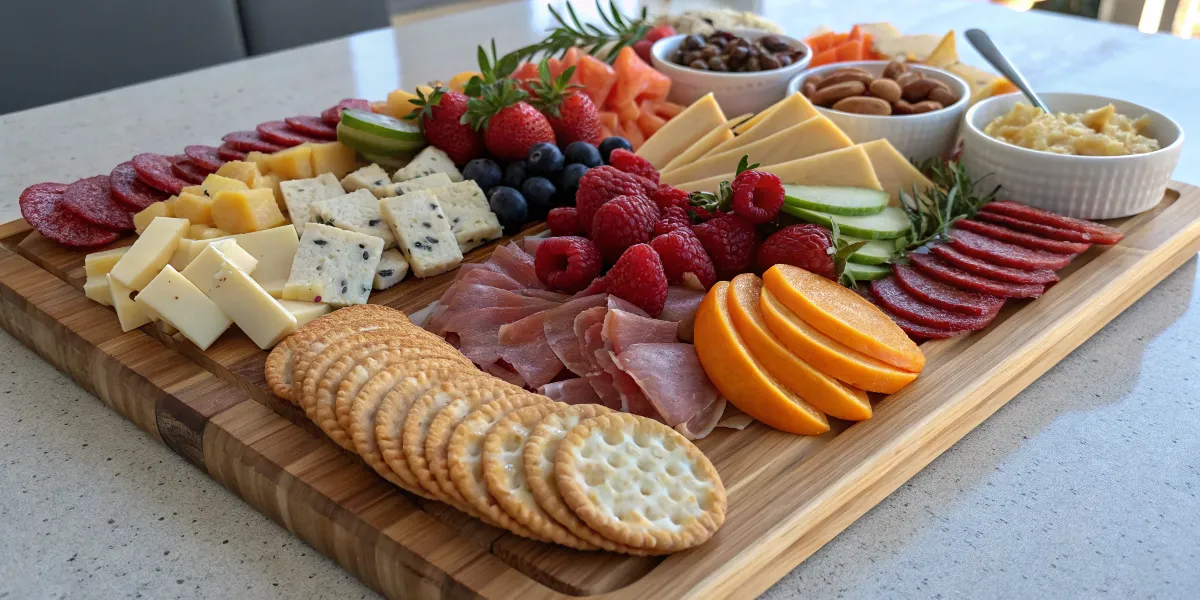
A charcuterie board lunch is the perfect way to elevate your midday meal into a creative, customizable, and nutritious experience. With endless options to mix and match, this modern take on lunch encourages variety while catering to individual tastes and dietary needs. It’s not just for dinner parties anymore—this style of meal has found its place in everyday life, offering something for everyone, from busy professionals to school-aged kids.
Whether you’re packing it for work or assembling it at home, a charcuterie board lunch delivers balance, fun, and flavor in every bite. In this guide, we’ll explore everything you need to know, from choosing the right ingredients to packing tips that keep your lunch fresh and Instagram-worthy. Let’s get started!
Table of Contents
What is a Charcuterie Board Lunch?
At its core, a charcuterie board is an assortment of foods arranged together to create a visually appealing and flavorful spread. Traditionally served as an appetizer, this concept has evolved into a practical yet indulgent lunch idea. A charcuterie board lunch is essentially a well-balanced meal served grazing-style, making it perfect for those who enjoy variety over monotony.
Why a Charcuterie Board Works for Lunch
One reason charcuterie boards are so popular for lunch is their flexibility. You can build them to suit any preference or diet, whether you’re vegetarian, keto, or gluten-free. Additionally, they’re easy to assemble with items you likely already have in your fridge or pantry. The balance of proteins, carbs, and fresh produce ensures a satisfying meal that fuels your day.
Another key advantage is their visual appeal. Studies show that we eat with our eyes first, and a beautifully arranged charcuterie board can make even the busiest workday feel a little more special.
The 3-3-3-3 Rule for Building the Perfect Charcuterie Board Lunch
Creating a charcuterie board may seem overwhelming at first, but the 3-3-3-3 rule simplifies the process. This guideline helps ensure your board is balanced, diverse, and satisfying. Here’s how it works:
- 3 types of meats
- 3 types of cheeses
- 3 types of carbs
- 3 types of fruits or vegetables
By following this structure, you can easily create a harmonious blend of flavors and textures.
Breaking Down the Rule
Meats:
Start with three different types of meats, such as thinly sliced salami, smoky prosciutto, and flavorful turkey breast. These options provide protein while introducing unique tastes to your board.
Cheeses:
Include a mix of textures and flavors by selecting one soft cheese (e.g., brie), one hard cheese (e.g., aged cheddar), and one tangy or specialty cheese (e.g., goat cheese). For vegan alternatives, try nut-based cheeses, which also come in a variety of flavors.
Carbs:
Crackers, sliced baguette, or pretzels are excellent choices. Opt for whole-grain crackers or gluten-free options to suit different dietary needs.
Fruits and Vegetables:
Fresh grapes, sliced cucumbers, cherry tomatoes, and dried apricots are all wonderful additions. They provide sweetness, crunch, and vibrant color to your lunch.
What to Serve with Your Charcuterie Lunch
While a charcuterie board lunch is a meal in itself, pairing it with complementary sides or drinks can make it even more satisfying. Here are some ideas to enhance your board:
Savory Pairings
- Soups: A warm cup of tomato bisque, French onion soup, or creamy mushroom soup can complement the rich flavors of your board.
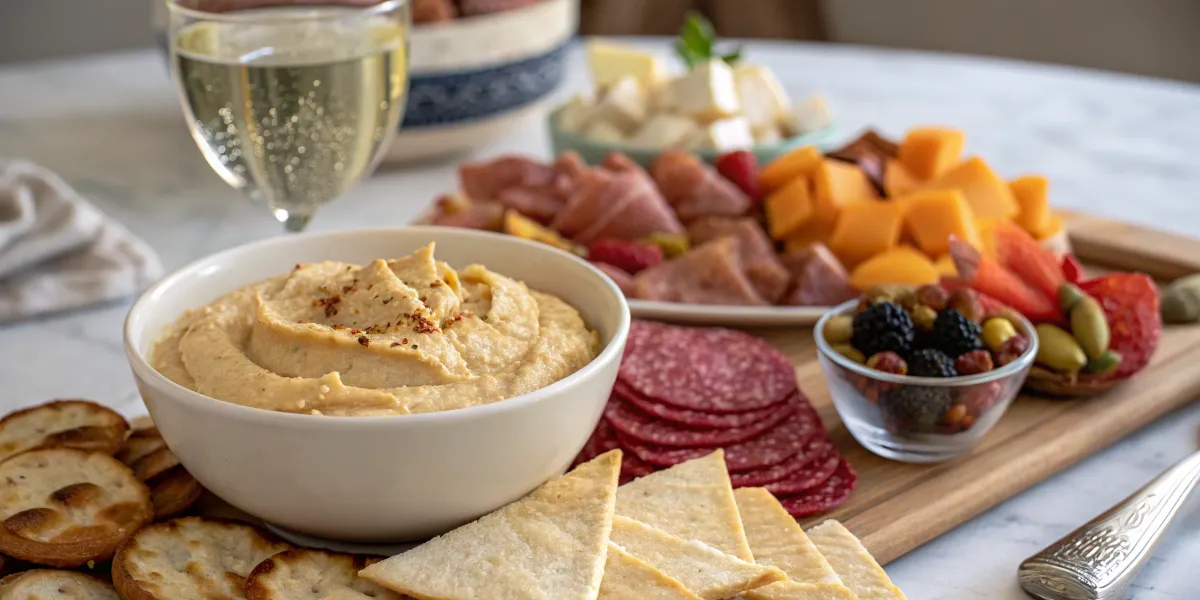
- Dips and Spreads: Add bowls of hummus, guacamole, or tzatziki to your spread for extra variety. These pair well with both veggies and crackers.
Refreshing Beverages
- Sparkling water with a slice of lemon or lime adds a refreshing touch.
- Herbal teas, like chamomile or mint, balance the savory elements of your board.
- If you’re enjoying your charcuterie lunch at home, consider pairing it with a crisp white wine or light rosé for an elevated experience.
These additions not only round out your meal but also offer more variety, which is the heart of any good charcuterie board.
How to Pack a Charcuterie Board for Lunch
Packing a charcuterie board for lunch requires a bit of strategy to keep everything fresh and organized. With the right tools and approach, you can easily enjoy this delightful meal on the go.
Step-by-Step Guide
- Select the Right Container:
Use a bento-style lunchbox with compartments to separate wet and dry items. This keeps crackers from getting soggy and fruits from mingling with savory meats. - Layer Strategically:
- Place heavy items, like cheeses and meats, on the bottom layer to prevent squishing lighter ingredients.
- Keep delicate items, such as crackers or leafy greens, on top.
- Add Cooling Elements:
For foods that require refrigeration, include a small ice pack in your lunch bag. This ensures perishable items, like meats and cheeses, stay fresh until mealtime.
Pro Tips for On-the-Go Charcuterie
- Use small silicone cups or mini containers to hold dips, spreads, or nuts.
- Pack ingredients in bite-sized portions to make eating more convenient.
- Add a touch of elegance by including a napkin and a mini cheese knife in your lunch kit.
Looking for more creative lunch ideas? Don’t miss our Pepper Lunch Recipe for another flavorful option that’s simple to prepare.
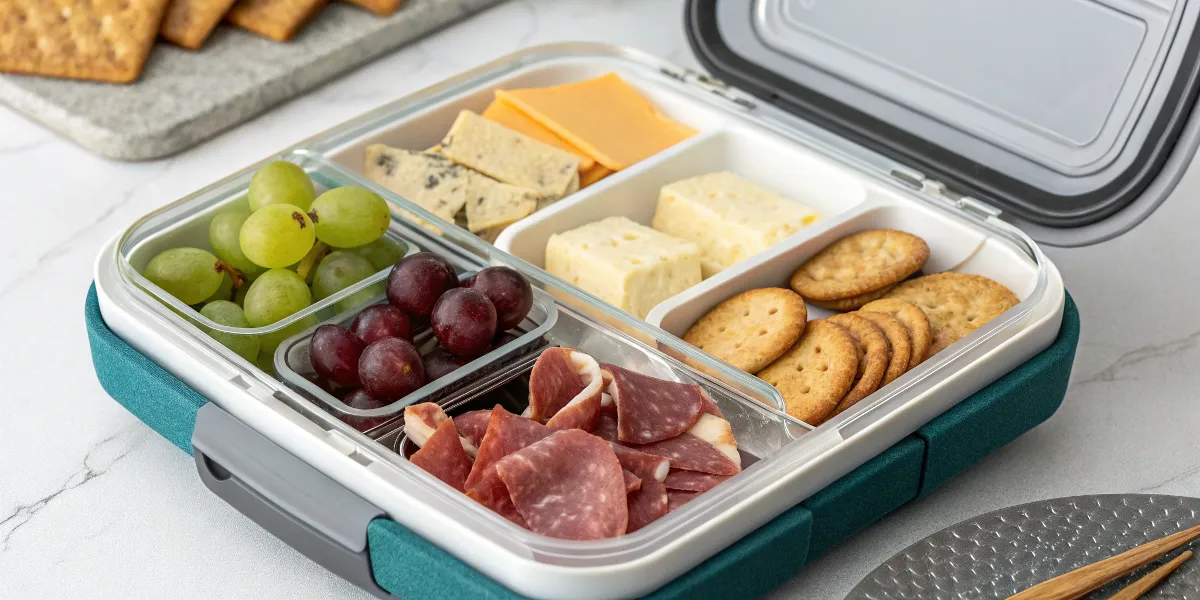
Avoid These 5 Common Mistakes on a Charcuterie Board
Even the best charcuterie board enthusiasts can occasionally make mistakes. By avoiding these pitfalls, you can ensure your lunch is as enjoyable as it is delicious.
- Overloading the Board:
While it’s tempting to include everything, too many items can overwhelm the senses and make the board look cluttered. Stick to the essentials for a cleaner presentation. - Neglecting Flavor Balance:
Avoid boards that lean too heavily on one type of flavor, such as salty meats or sweet fruits. Aim for a balanced mix of salty, sweet, creamy, and crunchy elements. - Using Non-Fresh Ingredients:
Always double-check your produce and meats for freshness. Nothing ruins a charcuterie board faster than wilted greens or stale crackers. - Skipping Allergies and Preferences:
If you’re sharing your board, consider common allergies, such as nuts or dairy, and offer alternatives to accommodate everyone. - Poor Arrangement:
Presentation matters! Arrange your ingredients in a visually appealing way, using symmetry or color blocking to create an Instagram-worthy spread.
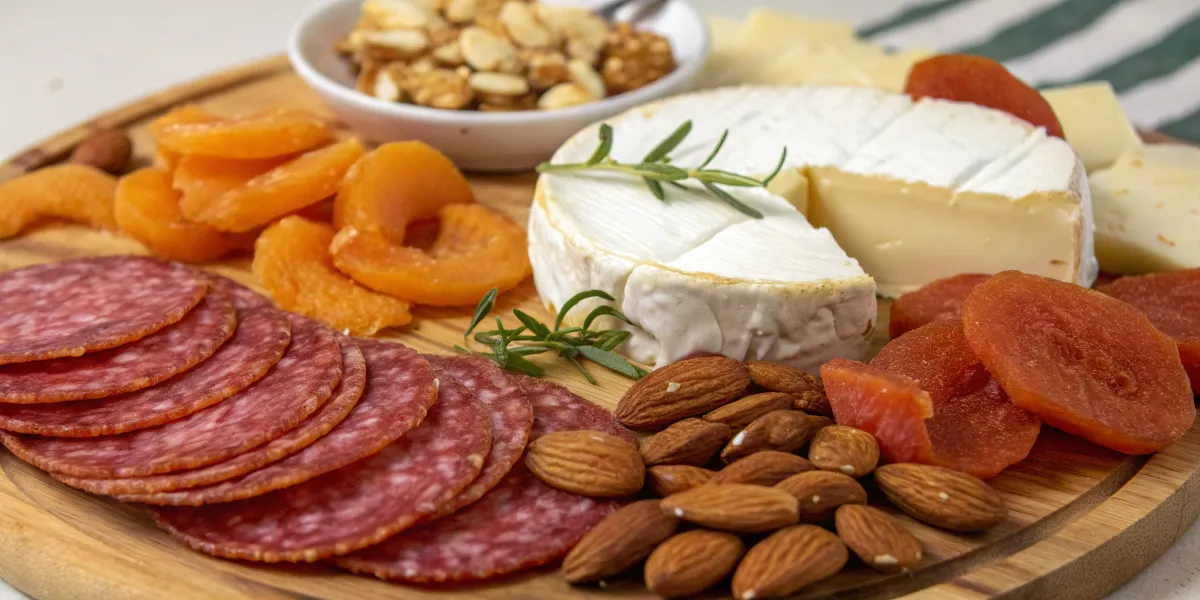
How to Make a Charcuterie Lunch Box
Transforming a charcuterie board into a portable lunch box is a brilliant way to combine convenience with creativity. This concept lets you enjoy the elegance and variety of a charcuterie board wherever you are, whether at work, school, or a picnic.
DIY Lunch Box Ideas
- Start with the Right Base
Select a lunchbox with compartments or use a bento-style container to separate ingredients effectively. Compartmentalization ensures that wet items, such as grapes or hummus, don’t mix with dry components like crackers. Silicone liners or mini jars can help you stay organized. - Portion Like a Pro
For a well-balanced charcuterie lunch, apply the 3-3-3-3 rule, but scale down portions for a compact container. Use small servings of sliced turkey, cheese cubes, fresh veggies, and crackers for easy snacking on the go. - Add a Personal Touch
Customize the lunch box with unique items that suit your tastes. For example, include spicy mustard, mini pretzels, or dark chocolate squares to make the meal feel extra special. - Think About Freshness
To keep ingredients fresh, add an ice pack or use insulated lunch bags. This ensures perishable items like cheese and meats stay cool and safe to eat.
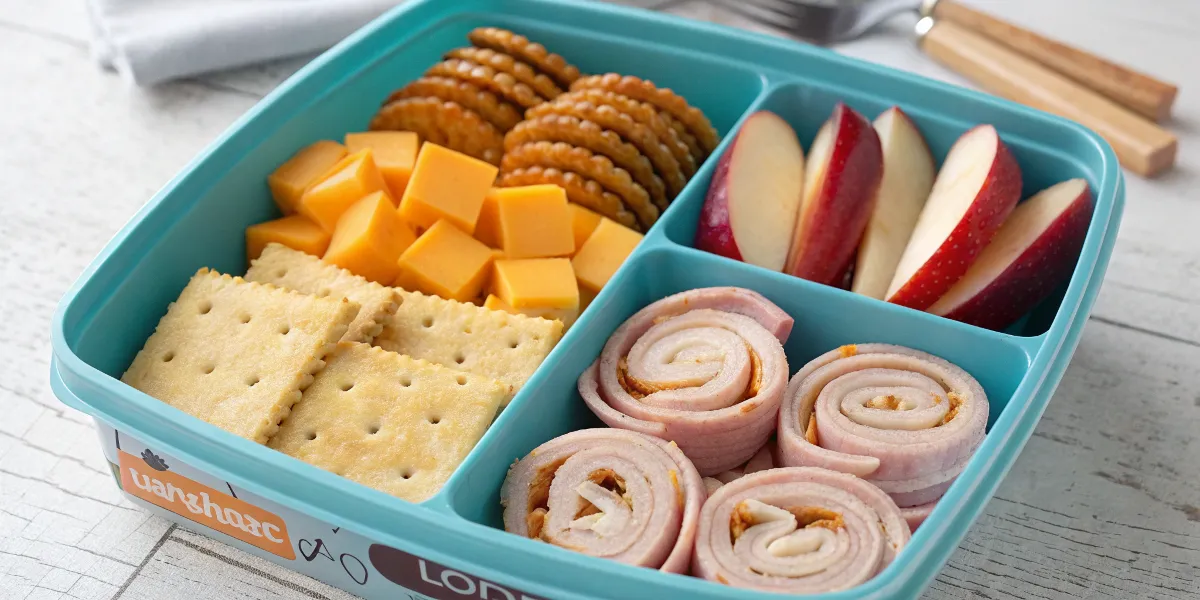
Budget-Friendly Tips for a Charcuterie Lunch
Charcuterie doesn’t have to be expensive to be impressive. With a little creativity and planning, you can assemble a beautiful and affordable lunch that tastes as good as it looks.
Shop Smart and Plan Ahead
- Use Pantry Staples
Incorporate items you already have at home. Leftover deli meats, pre-cut vegetables, and shredded cheese can work just as well as specialty products. - Buy in Bulk
Purchasing crackers, nuts, or dried fruits in bulk is a cost-effective way to stock up on charcuterie essentials. Divide them into smaller portions for future meals.
Opt for Seasonal Ingredients
Seasonal fruits and vegetables not only taste better but are also more affordable. For example, strawberries and asparagus are perfect in spring, while apples and carrots shine in the fall.
Pro Tips & Variations
Creating a charcuterie board lunch offers endless possibilities for customization. Whether you’re sticking to traditional flavors or exploring new combinations, these tips and variations can elevate your meal to the next level.
Pro Tips for the Perfect Board
- Focus on Color and Texture
A visually appealing charcuterie board relies on contrasting colors and textures. Pair crunchy crackers with creamy cheese or juicy fruits with salty cured meats. - Use Shapes Creatively
Cut ingredients into fun shapes, such as slicing cucumbers into rounds, rolling turkey slices, or creating cheese triangles. These details make your board more dynamic and appealing. - Incorporate Spreads and Dips
Don’t forget spreads! Small portions of hummus, jam, or even pesto can complement the flavors of your board. Use mini containers to keep these neatly contained.
Exciting Variations to Try
- Mediterranean Board
Feature hummus, pita bread, marinated olives, and roasted red peppers. Add some feta cheese and grape leaves for an authentic touch. - Breakfast Board
Combine mini bagels, smoked salmon, cream cheese, and fresh berries for a delightful morning spread. - Diet-Specific Boards
- Keto: Stick with low-carb vegetables, cured meats, and high-fat cheeses.
- Vegan: Include plant-based cheeses, roasted chickpeas, and fresh veggies like bell peppers and snap peas.
FAQs About Charcuterie Board Lunch
Can a charcuterie board be lunch?
Definitely! A charcuterie board lunch is a complete meal that’s as versatile as it is satisfying. It’s perfect for those who enjoy variety and appreciate the mix of flavors and textures in their meals.
What is the 3-3-3-3 rule for charcuterie?
The 3-3-3-3 rule is a simple formula for creating a balanced charcuterie board. It involves:
- Three types of meats
- Three types of cheeses
- Three types of carbs
- Three types of fruits or vegetables
This guideline ensures variety without overwhelming the board.
What to serve with charcuterie lunch?
Pair your charcuterie board lunch with complementary sides like a light salad, soup, or additional spreads. For beverages, try sparkling water, herbal tea, or iced coffee for a refreshing touch.
How to pack a charcuterie board for lunch?
Pack your charcuterie lunch in a container with compartments to keep ingredients fresh. Store dips and wet items in separate sealed cups, and use ice packs to maintain food safety.
What are 5 things to avoid on a charcuterie board?
- Overcrowding the board with too many ingredients.
- Mixing clashing flavors or using overpowering spices.
- Including stale or non-fresh items.
- Forgetting to account for dietary restrictions or allergies.
- Neglecting presentation—arrange ingredients neatly for an appealing look.
How to make a charcuterie lunch box?
Use a lunchbox with compartments, and include small portions of meats, cheeses, fruits, and carbs. Add dips or spreads in mini containers, and ensure everything is bite-sized and portable for convenience.
Conclusion
A charcuterie board lunch is more than just a meal—it’s an experience. By following the tips and strategies outlined in this guide, you can create lunches that are nutritious, visually appealing, and tailored to your preferences. From the 3-3-3-3 rule to budget-friendly ideas, the possibilities are endless. So why not elevate your midday meal with a charcuterie lunch today?